Chemical peels are cosmetic treatments used to improve the appearance and texture of the skin on the face, neck, or hands. They involve the application of a chemical solution to the skin, which causes the outer layers to peel off, revealing smoother, less wrinkled skin underneath. Chemical peels vary in strength and depth, allowing them to be customized based on skin type, concerns, and desired results. Here’s an overview of chemical peels, including types, benefits, considerations, and potential risks. These peels use mild acids like alpha hydroxy acids (AHAs), such as glycolic acid or lactic acid, to gently exfoliate the outer layer of the skin. They are used to improve skin texture, reduce fine lines, and enhance skin brightness. Superficial peels typically have minimal downtime and are suitable for all skin types. Medium-depth peels use trichloroacetic acid (TCA) or a combination of acids to penetrate deeper into the skin's middle layers. They are effective for treating more pronounced wrinkles, pigmentation irregularities, and sun damage.
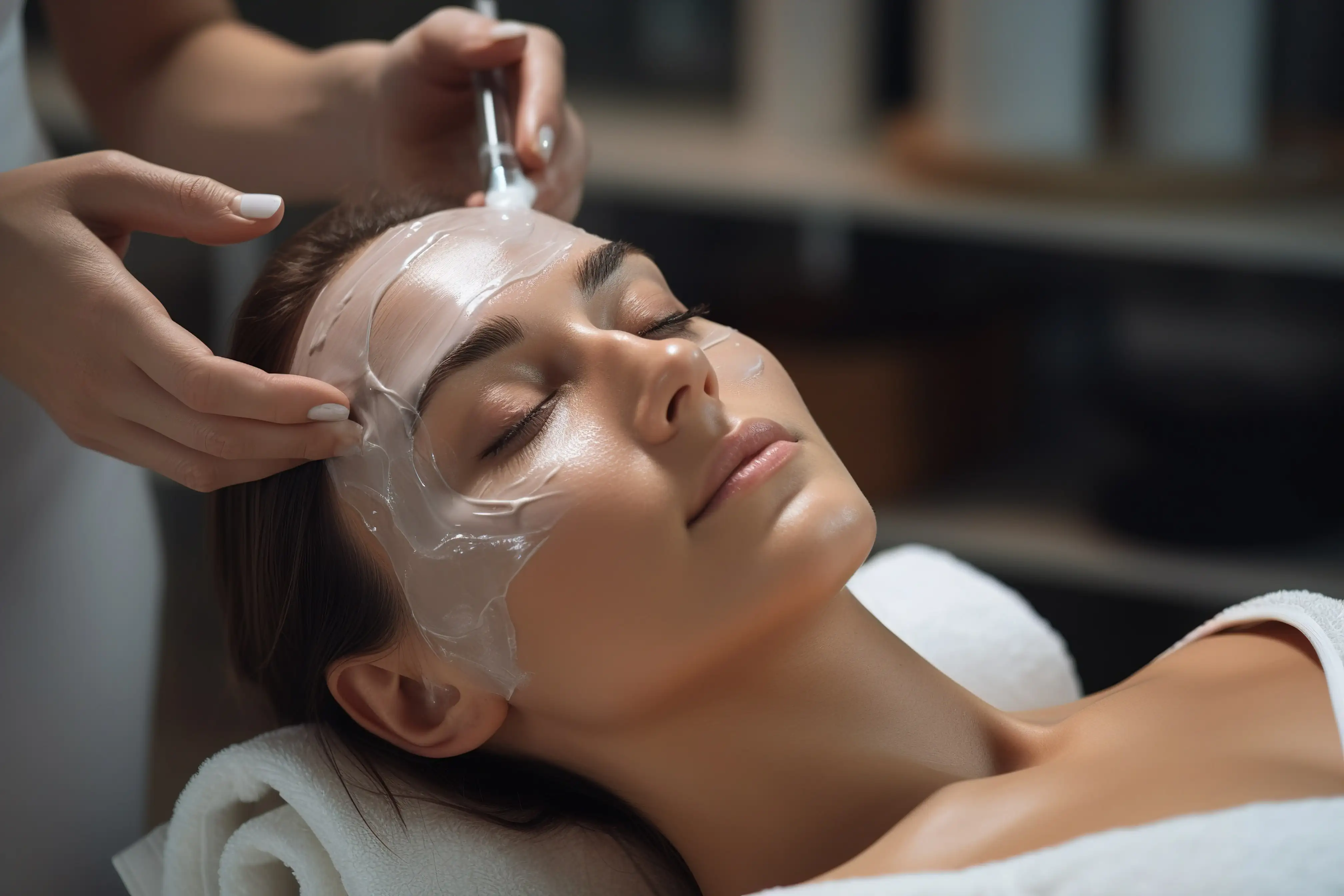
Chemical Peels
Chemical peels are effective treatments for improving skin texture, tone, and appearance, catering to a wide range of skin concerns. Choosing the right type of peel and following proper pre and post-treatment care instructions are essential for achieving safe and satisfactory results. Consult with a qualified dermatologist or skincare professional to determine the most suitable chemical peel for your skin type and goals. Schedule a consultation with a dermatologist or skincare professional to discuss your skin concerns, medical history, and expectations. Your provider may recommend preparing your skin with specific skincare products, such as retinoids or exfoliants, to optimize results and minimize complications.
